
Sealing is one of the most critical processes in food packaging. A defective seal can compromise product safety, reduce shelf life, lead to customer complaints, and even result in significant economic losses due to waste and rework.
Although sealing issues can have multiple causes, in most cases they are related to a combination of factors affecting both the packaging material and the packaging process itself.
A continuación, analizamos las causas más habituales de los fallos de sellado en films de envasado y las mejores prácticas para prevenirlos.
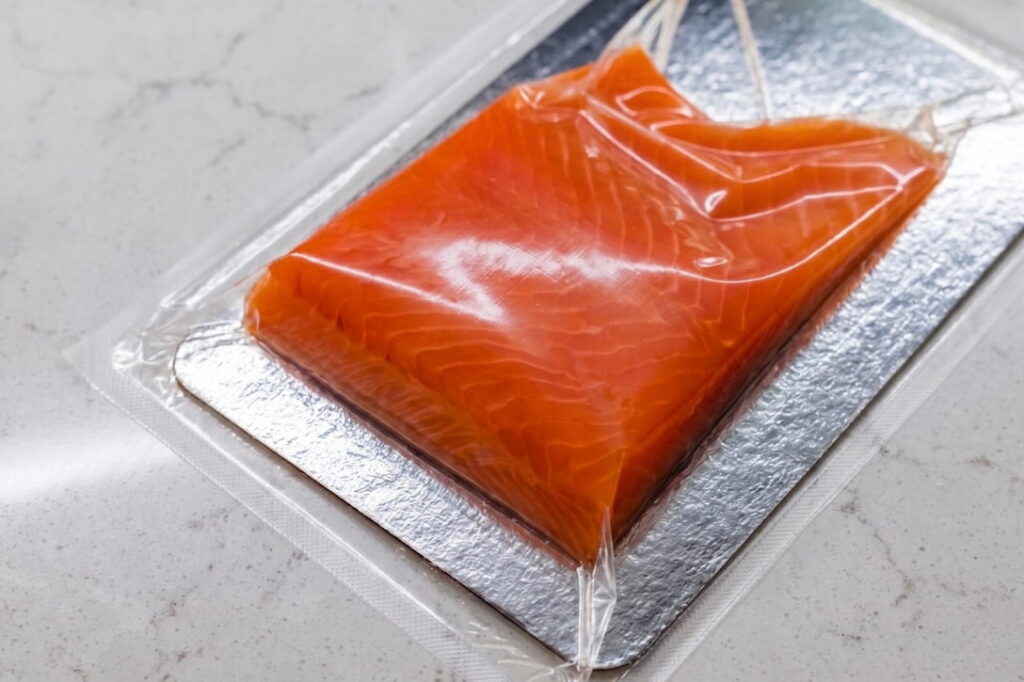
¿Por qué es tan importante un buen sellado?
The primary function of sealing is to ensure package integrity. When the seal is not properly formed, gas leaks, oxygen ingress, external contamination, or loss of vacuum and modified atmosphere can occur.
In addition to affecting product preservation, a defective seal can cause problems during transportation, storage, and handling at the point of sale.
Por ello, optimizar el proceso de sellado es esencial para mantener la calidad del producto y la eficiencia de la línea de producción.
Principales causas de incidencias en el sellado de films de envasado
1. Contamination in the sealing area
One of the most common problems is the presence of product residues in the sealing area.
Líquidos, grasas, aceites, salsas, polvo o pequeñas partículas pueden impedir que las capas sellantes entren en contacto correctamente, generando cierres incompletos o poco resistentes.
How to prevent it
- Adjust the filling process to minimise spills.
- Maintain proper line cleanliness.
- Use films designed to provide greater tolerance to seal contamination.
- Perform regular quality checks during production.
2. Incorrect sealing parameters
Temperature, pressure, and dwell time must be perfectly balanced for each film type.
Insufficient temperature can result in weak seals, while excessive heat may deform the material or damage its properties.
Likewise, inadequate pressure or sealing time can directly affect seal strength.
How to prevent it
- Validate sealing parameters for each film structure.
- Regularly check equipment calibration.
- Conduct routine seal strength testing.
- Work with suppliers that provide detailed technical specifications for the material.
3. Inappropriate film selection
Not all films are designed for the same applications. Using a structure with insufficient sealing properties for the operating conditions can lead to recurring problems.
Factors such as product type, line speed, operating temperature, and packaging system should all be considered when selecting the material.
How to prevent it
- Analyse the specific requirements of each application.
- Evaluate actual production conditions.
- Select films with sealing properties suited to the process.
- Carry out industrial trials before implementing a new material.
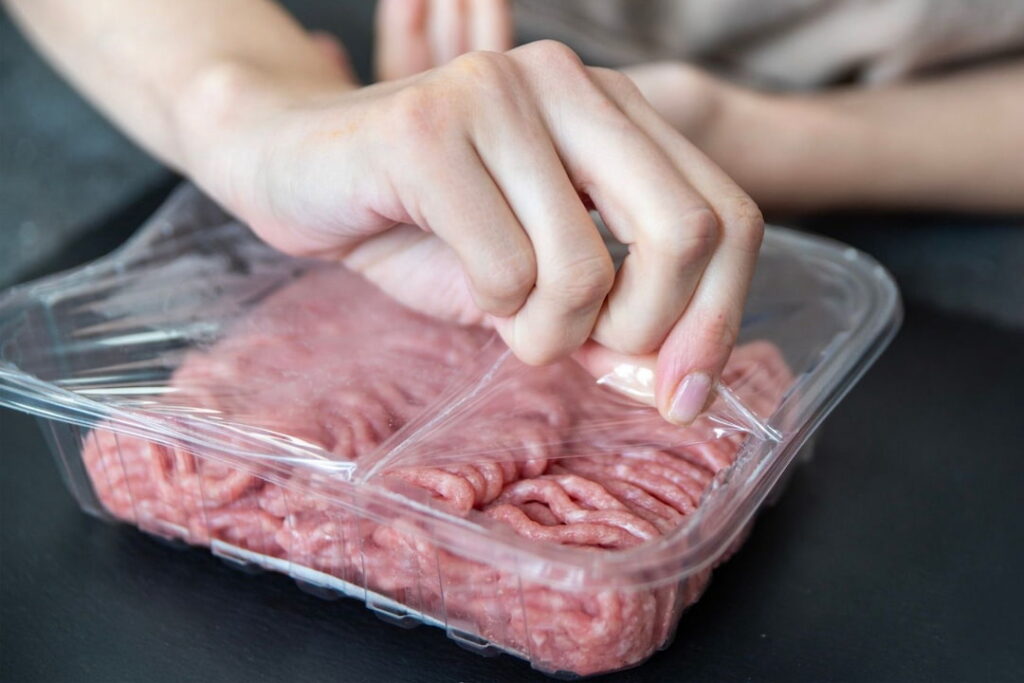
4. Equipment wear or poor condition
With continuous use, sealing bars and other machine components may suffer wear, residue build-up, or misalignment.
These issues can cause uneven pressure and temperature distribution, directly affecting seal quality.
How to prevent it
- Implement preventive maintenance programmes.
- Regularly inspect the condition of sealing bars.
- Replace worn components before they impact production.
- Routinely verify temperature uniformity.
5. Film storage conditions
The material’s properties can be altered if the film is not stored correctly.
Prolonged exposure to extreme temperatures, high humidity, or direct sunlight can affect its sealing performance.
How to prevent it
- Store rolls in controlled conditions.
- Follow the manufacturer’s recommendations.
- Avoid sudden temperature fluctuations.
- Use appropriate stock rotation systems.
How to reduce sealing issues in packaging film production
The most effective strategy for minimising sealing problems combines three key factors:
- Proper film selection.
- Correct machine parameter settings.
- Preventive equipment maintenance.
When these three elements work together, productivity can be improved, waste reduced, and final package quality ensured.
The importance of choosing the right film and a reliable technology partner
Every packaging application has specific requirements in terms of mechanical strength, barrier performance, processability, and sealing behaviour.
For this reason, working with films designed to meet the real demands of each process helps reduce issues, optimise production, and deliver safer and more reliable packaging.
At Ttpack, we help food manufacturers select the most suitable film solutions for each application, ensuring optimum performance both on the production line and in the preservation of the final product.