
Not all products require the same level of protection during storage and distribution. In industries such as food, choosing packaging with the right barrier properties is essential to preserve product quality, ensure safety, and extend shelf life.
Barrier materials are structures designed to limit the passage of gases, water vapor, aromas, fats, or light. Their function is to provide effective protection against external factors that may compromise product preservation.
Discover in this article why it is necessary to use barrier materials for some products.
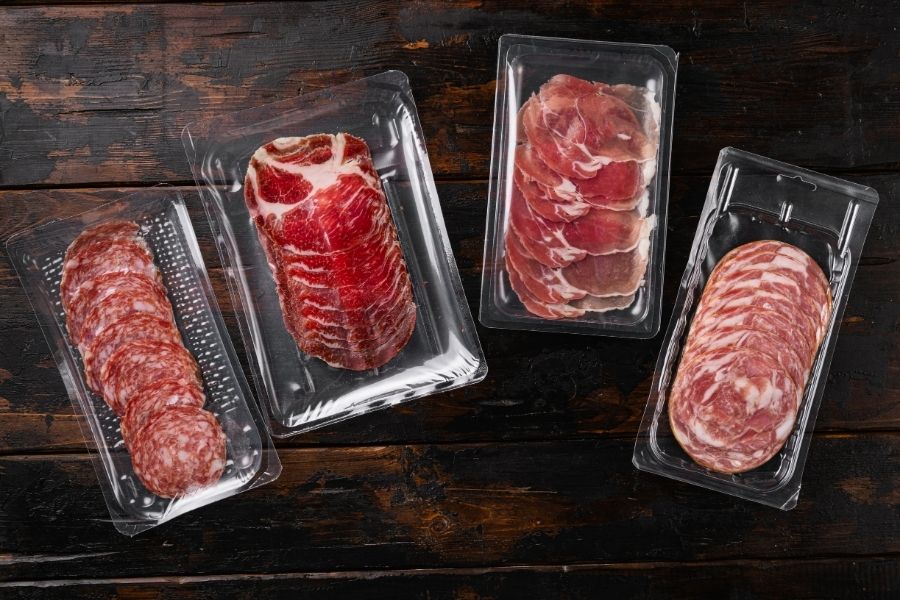
Reasons why it is necessary to use barrier materials for some products
1. Protection against oxygen and moisture
Oxygen and water vapor are two of the main causes of food deterioration.
The presence of oxygen promotes oxidation processes that affect the product’s taste, aroma, color, or texture, while moisture can encourage the growth of microorganisms or alter the food’s properties.
A material with the appropriate barrier significantly reduces these exchanges and helps keep the product in optimal condition for longer.
2. Improved food safety
In addition to protecting against environmental factors, barrier materials help maintain the product’s preservation conditions and reduce the risk of contamination throughout its commercial life.
In applications such as Modified Atmosphere Packaging (MAP), the film’s ability to maintain the gas mixture inside the package is essential to ensure food stability.
3. Extended shelf life
A barrier tailored to the product’s needs makes it possible to extend its shelf life without compromising quality.
This translates into benefits throughout the supply chain:
- Reduced food waste.
- Greater logistical flexibility.
- Fewer returns due to expiration.
- Better preservation during transportation and distribution.
4. Preservation of product properties
The purpose of packaging is not only to protect the food but also to preserve the characteristics that consumers expect when they open it.
A suitable barrier material helps preserve the original color, aroma, flavor, texture, nutritional value, and commercial presentation.
Which products require barrier materials?
The need to use a barrier film depends on the product’s sensitivity and the required shelf life.
Some common examples include:
- Food: Packaging for fresh, frozen, and dry foods, beverages, etc.
- Pharmaceutical products: Medicines, capsules, etc.
- Chemical products: Cleaning products, paints, etc.
- Cosmetics: Creams, lotions, etc.
In each case, it is necessary to select a structure with the appropriate barrier properties according to the type of product, the packaging system, and the storage conditions.
How does the use of barrier materials contribute to a more sustainable packaging strategy?
The sustainability of packaging does not depend solely on the material it is made from, but also on its ability to protect the product throughout its shelf life.
A correctly selected barrier material helps reduce food waste by minimizing losses caused by premature food spoilage. In many cases, the environmental impact of wasting food is far greater than that of the packaging used to protect it.
In addition, the development of new barrier structures makes it possible to optimize packaging design by reducing material thickness where the application allows and incorporating solutions that are increasingly focused on recyclability and the circular economy.
Therefore, choosing the appropriate level of barrier not only improves product preservation but also contributes to more efficient use of resources and a more sustainable packaging strategy.
The importance of choosing the right barrier material
There is no single barrier material suitable for every application. The choice depends on factors such as the product’s sensitivity to oxygen or moisture, the packaging method, the machinery used, the target shelf life, and logistical requirements.
At Ttpack, we offer a wide range of barrier materials tailored to each application, optimizing product protection without overengineering the packaging structure. In this way, we help our customers improve food preservation, optimize their packaging processes, and ensure maximum safety throughout the entire distribution chain.