
Ordering technical packaging film with very little lead time may seem like a quick solution, but in practice it often creates more problems than benefits. When it comes to technical materials manufactured to order, planning ahead can make the difference between receiving the product on time and putting production at risk.
In addition to the manufacturing lead time, there is another key factor to consider: the actual date when the material will be used. If consumption is recurring, maintaining safety stock helps prevent supply shortages, last-minute emergencies and line stoppages. And if the supplier has logistics stock available, the response can be much faster.
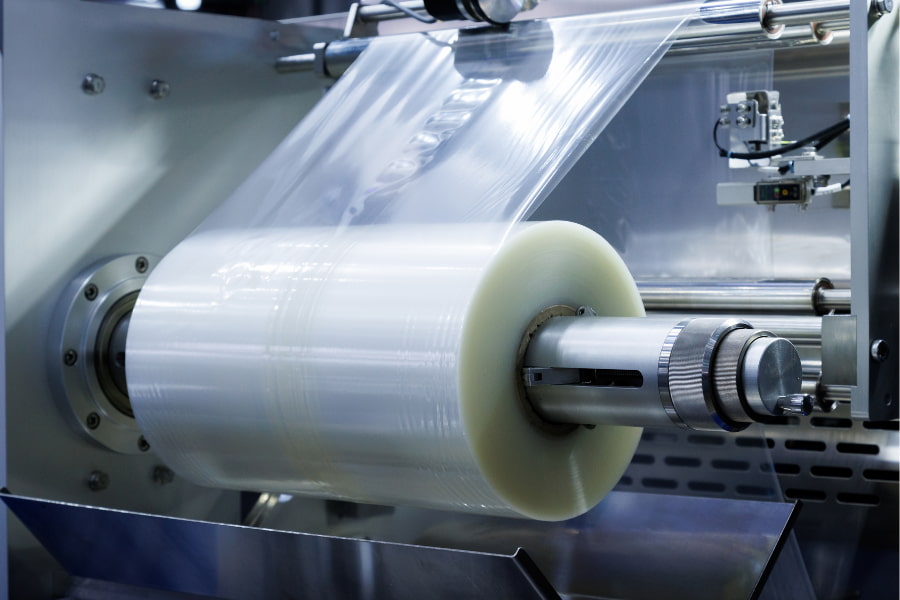
What to consider when planning a film order to avoid production downtime
Lead time depends on more than just manufacturing
There is no single answer that applies to every situation, as the actual supply lead time depends on several factors:
- Type of technical film and level of specialization.
- Consumption volume and replenishment frequency.
- Technical requirements of the packaging process.
- Need for prior machine testing, validation or adjustments.
- Supplier stock availability.
For standard materials, the required lead time may be shorter. However, for technical films manufactured to order, planning several weeks in advance is usually the most prudent option.
Why ordering technical packaging film with little lead time is risky
When an order is placed too close to the required delivery date, there is very little room to react. This means that any unexpected event, such as a logistics issue, a change in production or a pending validation, can quickly become a serious problem.
The most common risks include:
- Running out of stock at the plant
- Urgent purchasing requirements
- Less flexibility to bring deliveries forward
- Production line stoppages
- Additional costs caused by reactive management
In industrial environments, the cost of running out of material is often much higher than the cost of planning slightly further ahead.
When is it advisable to maintain safety stock?
If film consumption is recurring, maintaining safety stock is one of the most effective ways to reduce supply risks. The goal is not to accumulate material without a plan, but to define a minimum stock level that covers normal consumption and provides protection against unexpected events.
Safety stock should be considered when:
- The material is used continuously.
- Production cannot afford to stop.
- There are consumption peaks or seasonal variations.
- The product has a sensitive lead time.
- A supply shortage would have a direct impact on the production line.
In these situations, planning should not focus solely on “when to order”, but also on how much stock should be kept to ensure continuity.
How to plan technical film purchases in advance to avoid production downtime
The best way to avoid last-minute emergencies is to integrate the purchase of technical materials into production planning from the outset.
1. Define the required use date from the start
It is not enough to know when the material will be manufactured. The actual date when it will be needed at the plant should be established from the beginning.
2. Calculate average consumption
Knowing typical consumption levels makes it easier to anticipate replenishment needs and avoid placing orders with excessively tight lead times.
3. Check the actual delivery lead time
Not all materials have the same response time. It is important to distinguish between available stock, made-to-order products and customized materials.
4. Establish safety stock
Maintaining a minimum stock level helps absorb delays, changes in production planning or increases in consumption.
5. Coordinate purchasing and production
If purchasing and production teams are not working with the same forecast, the risk of supply shortages increases. Planning should be shared between both departments.
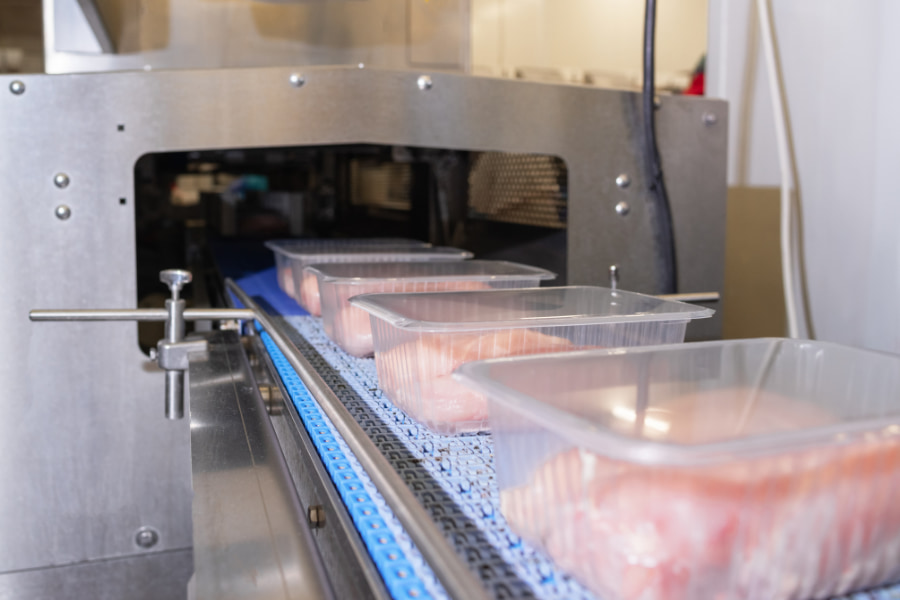
What does Ttpack bring to the table?
This is where Ttpack provides a clear advantage. In addition to offering technical advice and customized materials, it has logistics warehouses that allow it to maintain a significant permanent safety stock.
This translates into three specific benefits:
- Immediate availability.
- 24-hour delivery capacity.
- Lower risk of production line stoppages due to a lack of material.
For an industrial customer, this not only improves service but also reduces pressure on purchasing and production teams.
What happens when the lead time for ordering packaging film is too short?
Ordering with too little lead time can significantly limit the ability to react. Even if the material is technically suitable, if it arrives too late, it will not solve the problem.
When this happens, the customer may be forced to:
- Change production priorities,
- Place an urgent order,
- Operate with insufficient stock,
- Or even stop a production line until the material arrives.
That is why, in technical packaging, planning ahead is not simply an operational detail. It is a decision that directly affects business continuity.
Order film in advance to avoid production downtime
If technical packaging film is manufactured to order, the recommended approach is to plan several weeks in advance and define the required use date from the beginning. When consumption is recurring, maintaining safety stock is the best way to prevent supply shortages, urgent orders and production line stoppages.
And if the supplier also has logistics stock available, as Ttpack does, planning becomes more flexible and production is much better protected.
Would you like to review your consumption and define a safety stock level to avoid production downtime? At Ttpack, we can help you plan your technical film supply in advance, with availability within 24 hours.