
The use of thermoformed packaging in the food industry has gained popularity in recent years due to its ability to improve product preservation, presentation, and sustainability. This type of packaging, created by heating plastic sheets and moulding them into specific shapes, offers a range of benefits that make it an ideal option for various food products.
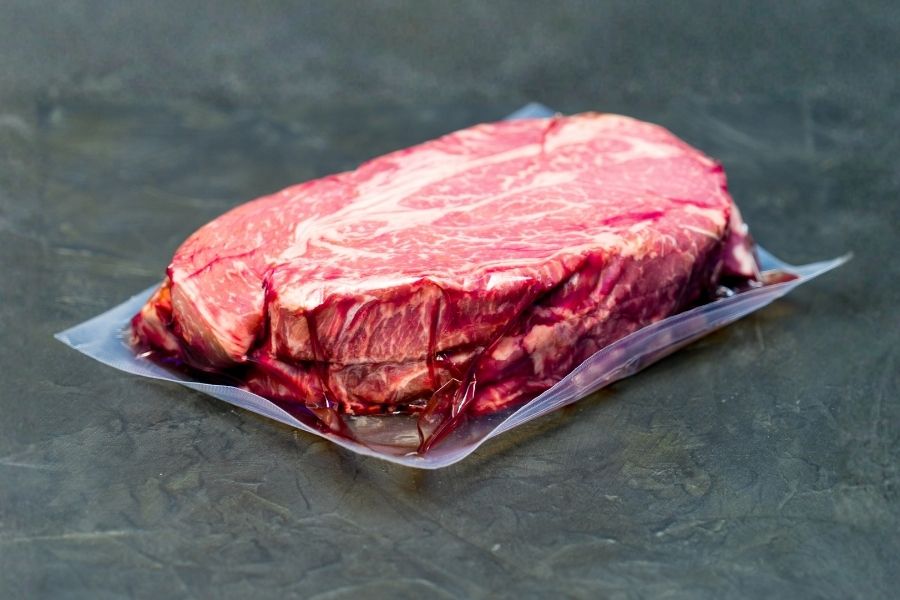
Advantages of thermoformed packaging in the food sector
Below, we explore the main advantages of using thermoformed packaging in the food industry.
1. Enhanced protection and preservation
One of the main benefits of thermoformed packaging is its ability to provide excellent protection against external factors such as oxygen, moisture, and contaminants. These packages can be hermetically sealed, extending the shelf life of food by reducing the risk of spoilage and maintaining freshness for longer. This is particularly important in the food industry, where quality and safety are top priorities.
2. Adaptation to product-specific needs
Thermoformed packaging can be easily customised to meet the specific requirements of each product. From trays for meat and fish to packaging for dairy and baked goods, this type of solution offers great flexibility in terms of size, shape, and functionality. It can also include features such as separate compartments, inserted labels, and easy-opening options, improving both the consumer experience and production efficiency.
3. Cost efficiency
The thermoforming process is highly efficient, resulting in reduced costs in both materials and production. The use of thinner plastic sheets compared to other packaging types helps decrease material consumption without compromising durability. Additionally, the ability to produce large volumes in fast cycles contributes to greater efficiency across the production chain.
4. Sustainability and reduced carbon footprint
Sustainability is an increasing concern in the food industry, and thermoformed packaging can help reduce environmental impact. Many of these packages are recyclable and, being lighter than other alternatives, help lower carbon emissions associated with transportation. Furthermore, the possibility of using recycled materials in their production contributes to a more eco-friendly manufacturing cycle.
5. Improved product presentation
Presentation plays a key role in the food industry, and thermoformed packaging offers a clear advantage in this regard. The transparency of many thermoformed packages allows consumers to see the product before purchasing, which can positively influence buying decisions.
6. Consumer convenience
Thermoformed packaging benefits not only manufacturers but also end users. Features such as resealable closures, microwave-safe trays, and easy-opening designs are highly valued by consumers. These characteristics enhance convenience and help reduce food waste by keeping products fresh after opening.
Thermoforming as an efficient solution for food packaging
Thermoformed packaging has established itself as an effective solution for the food industry, combining product protection, operational efficiency, and attractive presentation at the point of sale. Its versatility allows it to adapt to different formats and packaging needs, while also helping to optimise processes and reduce costs. In a context where market and consumer demands continue to evolve, this type of solution is gaining prominence for its ability to deliver performance, flexibility, and reliability in packaging lines.
If you would like to learn how Ttpack’s solutions can be adapted to your packaging needs, our team will be pleased to advise you in finding the most suitable configuration for your production process.