
Puncture resistance is one of the most critical mechanical parameters when selecting a flexible film for food packaging. When a product contains bones, sharp edges or rigid surfaces, the risk of localised perforation increases significantly and may compromise package integrity.
In these situations, the solution is not simply to use “more material”, but to correctly specify a technical structure capable of absorbing concentrated stresses without losing barrier properties or seal integrity.
Puncture-resistant films are specifically designed for this type of demanding application.
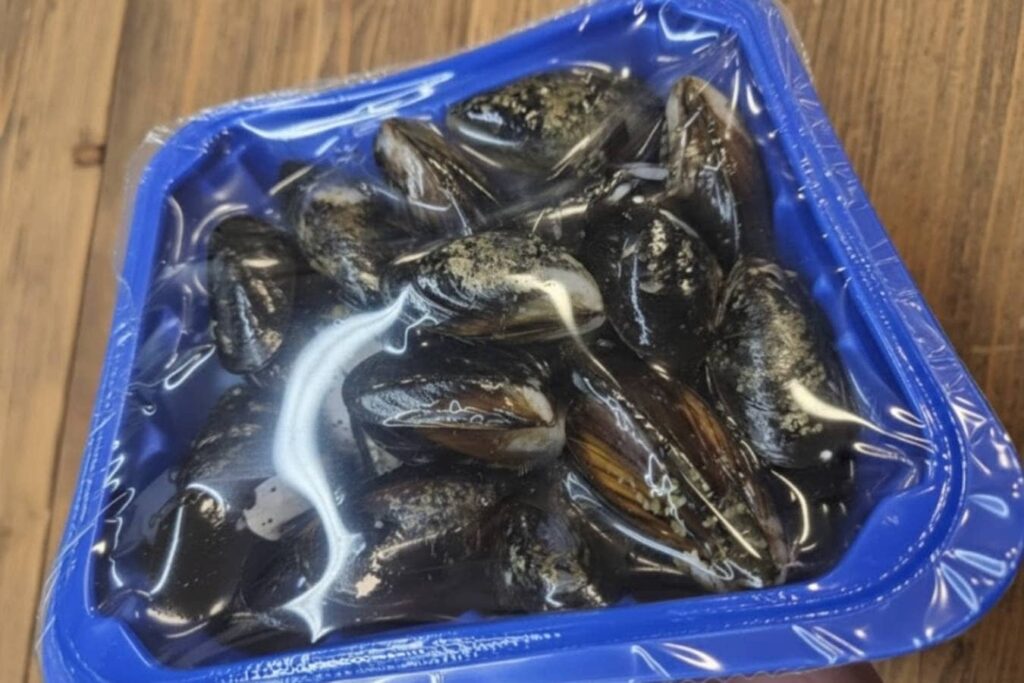
Why does puncture occur?
During packaging, handling, transport or storage, the product exerts localised pressure on the film. If the structure is not designed to withstand this stress, the following issues may arise:
- Microperforations.
- Invisible cracks.
- Loss of hermetic seal.
- Reduced shelf life.
In industrial environments, these incidents directly translate into product waste, claims and economic losses.
What technically defines a puncture-resistant film
Puncture resistance does not depend solely on the total thickness of the material. Increasing the micron gauge without optimising the structure can be technically and economically inefficient.
A film with high puncture resistance is characterised by:
- An optimised multilayer architecture.
- Structural layers with high mechanical strength.
- Mechanical stability at different temperatures (ambient or frozen).
- Retention of barrier properties.
The combination of appropriate structural polymers and functional layers allows stress to be distributed rather than concentrated, reducing the risk of localised perforation.
Applications where puncture resistance is critical
Meat products with bone
In cuts such as chops, ribs or pieces with protruding bones, pressure is concentrated at very specific points. Bones may also act as sharp elements during logistical handling.
In these cases, a conventional film may perform adequately at first but fail during transport or storage.
Frozen products
Freezing increases product rigidity and the aggressiveness of edges. The film must maintain its mechanical performance at low temperatures, preventing structural brittleness.
Dairy products: wedges and irregular formats
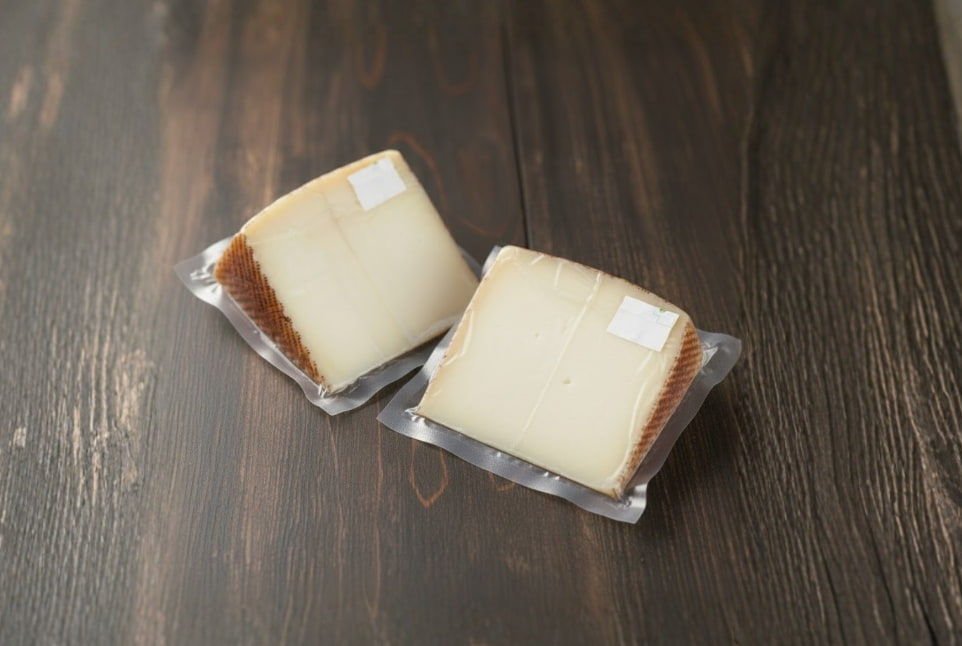
Mature cheeses, wedges or blocks with defined edges create continuous stress on the packaging. In these applications, it is essential to combine mechanical resistance with strong barrier performance and product presentation.
Technical film selection: an engineering approach
Film selection should be based on:
- Product geometry and aggressiveness.
- Storage temperature.
- Packaging technology.
- Production speed.
- Shelf-life requirements.
- Logistics conditions.
At Ttpack, puncture-resistant film selection is approached from a technical perspective, analysing each application to define the most suitable structure in terms of mechanical performance, barrier properties and process efficiency.
When a product contains bones, sharp edges or irregular geometries, puncture resistance is no longer a secondary characteristic but a structural requirement of the packaging.
Selecting the right film not only protects the product but also ensures stability, reduces waste and optimises the total packaging cost.
For further information, please do not hesitate to contact us.