
In food packaging projects, film selection often focuses on aspects such as format, presentation, or cost. However, one of the determining factors for shelf life, product stability, and final quality is the permeability of the packaging material.
Permeability is neither a generic value nor a secondary attribute of packaging. It is a technical parameter that must be defined according to the product, the packaging technology, and the storage conditions, and it directly influences the safety, appearance, and behavior of the food over time.
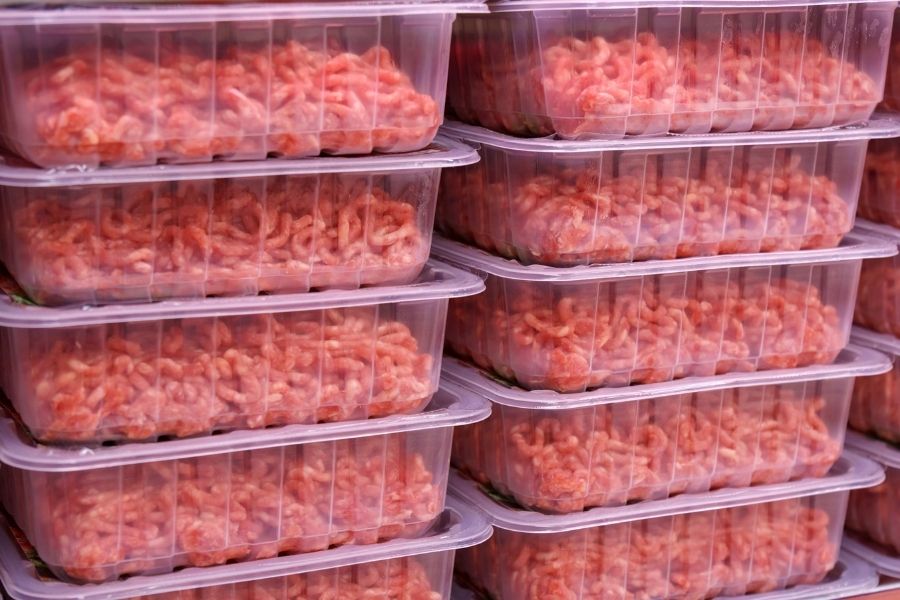
Why permeability is a critical factor in packaging
Packaging not only protects the product from external damage; it also regulates its interaction with the environment. The controlled or uncontrolled transfer of gases and water vapor can lead to premature oxidation, loss of color or gloss, dehydration or condensation, changes in texture and flavor, and a reduction in the expected shelf life.
For this reason, permeability should be addressed as part of the packaging system design, rather than simply as a standard characteristic of the film.
What we mean by permeability in food packaging films
In food packaging, the most relevant types are:
- Oxygen permeability (OTR): affects oxidation, microbial growth, and color retention.
- Water vapor permeability (WVTR): influences dehydration, frost formation, or internal condensation.
- Transfer of gases, aromas, and fats: key in products sensitive to migration or with fatty components.
These values do not act independently. The final performance of the packaging is the result of the balance between all of them.
Permeability as a designed technical parameter
A common mistake is to assume that a “high barrier” is always the best option. In reality, an excessive barrier can be just as problematic as an insufficient one, depending on the product and the technology used.
Permeability does not depend on a single material, but on:
- the multilayer structure of the film
- the combination of polymers
- thicknesses
- and manufacturing technology
This is why there are no universal films suitable for every application. Each project requires a specific adjustment of permeability to ensure stable packaging performance throughout the entire shelf life.
Key factors for defining the right permeability
To correctly select a film, it is necessary to analyze: the type of product (fresh, processed, frozen, fatty, with exudate, etc.), the target shelf life, storage conditions and cold chain, the packaging technology used, and distribution and handling conditions.
Only by considering these factors together is it possible to define a level of permeability that protects the product without compromising its quality or stability.
Permeability control should not rest solely with the food manufacturer. A technical film supplier adds value when involved in:
- product and process analysis
- selection of appropriate material structures
- validation of packaging performance
- adaptation of the film to the packaging technology used
At Ttpack, we address material permeability as part of our technical support in every project, assessing the real needs of the product and recommending the most suitable solution based on its application.
If you would like more information about our packaging solutions, please do not hesitate to contact us.