
Heat sealing packaging is one of the most widely used solutions to ensure product protection, integrity and stability throughout the entire logistics chain. Its use is firmly established in sectors such as food, but also in areas such as pharmaceutical, cosmetic, nutritional, industrial or technical industries, where packaging plays a key role beyond simple containment.
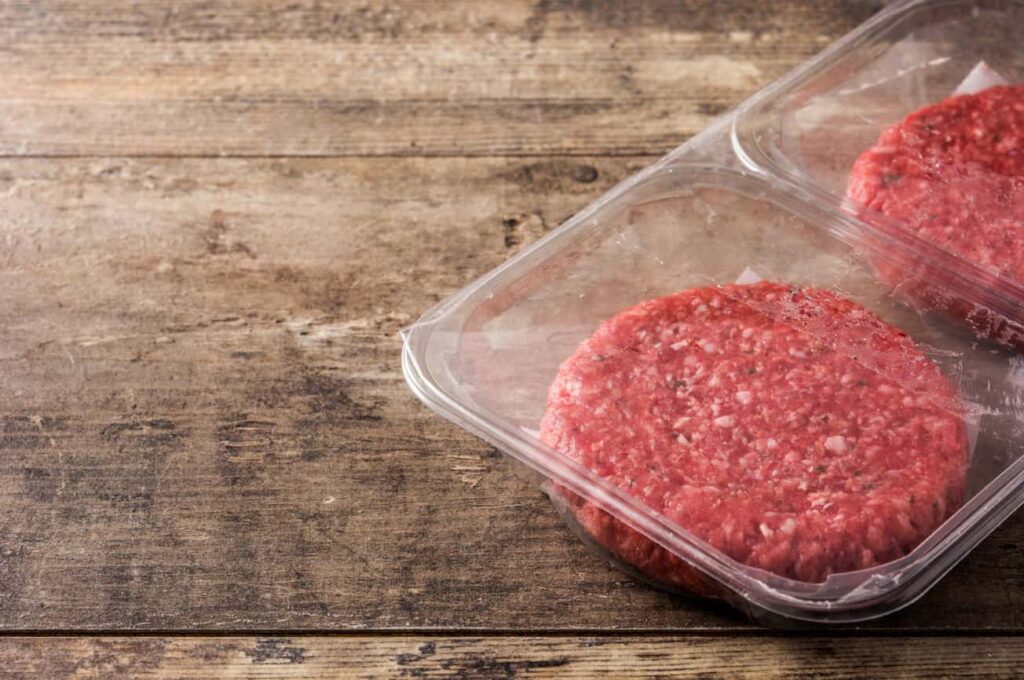
What is heat sealing packaging?
Heat sealing packaging is a process by which two thermoplastic surfaces are joined by applying heat, pressure and time, creating a continuous and hermetic seal. This type of sealing helps protect the contents from external agents, minimise the risk of leaks and preserve product properties during storage and distribution.
Basic principles of the heat sealing process
The correct performance of heat sealing depends on the balance between three main variables:
- Temperature, which must be sufficient to activate the heat-sealable layer without degrading the material
- Pressure, required to ensure uniform contact between surfaces
- Time, which determines proper fusion and consolidation of the seal
The combination of these parameters varies depending on the type of film, the packaging structure, line speed and the nature of the product being packaged.
Materials and structures for heat sealing
Heat sealing packaging solutions are based on different materials and structures, selected according to the type of packaging and process requirements.
LID
Mainly used are:
- Coextruded structures: PET/PA/PE, PET/EVOH/PE, PA/EVOH/PE, as well as MonoPET solutions.
- Laminated structures: PET/EVOH/PE, PET/PA/EVOH/PE and MonoPET.
- Coextruded and laminated monomaterial structures: PP/EVOH/PP and PE/EVOH/PE.
Trays
Manufactured using thermoformed or extruded structures, in materials such as:
- RPET/PE
- RPET/EVOH/PE
- PP
- PS
- MonoPET
- MonoPET/RPET
The choice of material and structure directly influences sealing performance and packaging stability during the packaging process.
Applications of heat sealing packaging
Heat sealing is used in a wide range of formats and sectors, such as:
- Packaging for fresh, processed or ready-to-eat food products
- Pharmaceutical and nutraceutical packaging
- Cosmetic and personal care products
- Industrial, technical or specialised components
In each case, the level of sealing requirements may vary, whether for reasons of safety, preservation, traceability or product presentation.
The importance of reliable sealing
Regardless of the sector, seal quality is a critical factor. Incorrect sealing can lead to issues throughout the value chain, such as:
- Loss of hermeticity or protection
- Product deterioration
- Quality control issues
- Logistical or commercial rejections
For this reason, it is increasingly common to analyse the heat sealing process in an integrated way, taking into account both the material and the technology and sealing parameters.
Discover in this article the advantages of heat-sealable films for food packaging